Understanding the hazards and risks associated with cold weather and winter storms is the first step to make sure you’re #WinterReady. Like preparing for other natural hazards, you should have emergency supplies at home, at work and in the car. You should also understand how to prevent home heating fires and carbon monoxide poisoning. Visit #WinterReady | Ready.gov to learn about some of the common hazards you might face when the weather turns cold. Because some people have situations that need a little more attention, the page includes low-cost solutions for home heating, advice for older adults, and those who work or play outside or don’t typically experience winter weather.
Please review this FEMA Winter Safety Messaging Toolkit for voluntary, faith-based and non-governmental organizations. Use this resource to proactively share winter safety alerts, provide timely and reliable information, and encourage swift action within your communities. The toolkit includes ready-to-use, customizable messaging that these entities can easily adapt and distribute.
================================================================================
=================================================================================
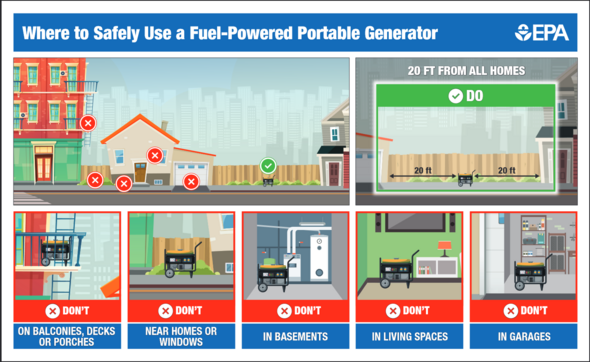
Click to learn more about generators.

FEMA asks if you are ready? These games will test your know-how in a wide range of emergencies and teach you how to build the emergency kit. Play Disaster Master, Disaster Mind, and Build a Kit online.
Build a Kit Game Go through different locations with Gayle and her friends to find what you need for an emergency kit. Have fun and build a checklist along the way. Play now in English or Spanish.
Disaster Master Game Help the team! Will you know what to do? Make the right decisions, earn points to unlock new levels, and become a disaster master. The wrong choice could end the game. Play now in English or Spanish.
Disaster Mind Game When seconds count, what will you decide? Welcome to the disaster game that puts your choices to the test. This game was developed to teach high school students how to stay calm and make solid decisions during a disaster. Enter the world of Disaster Mind.
==============================================================================
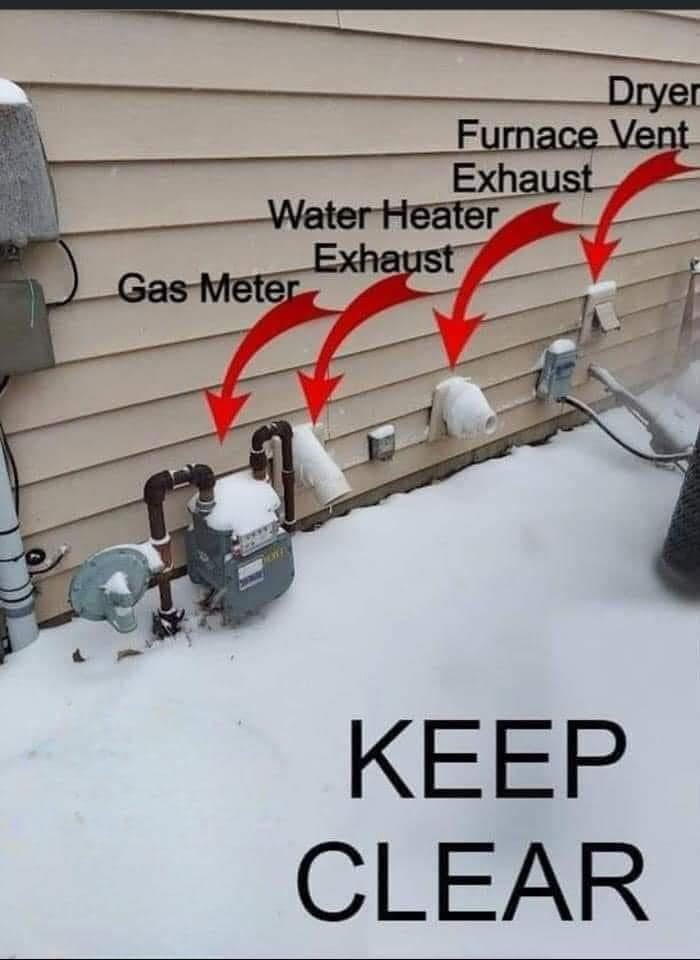
CARBON MONOXIDE WINTER SAFETY
Be proactive. REMEMBER TO KEEP YOUR OUTSIDE VENTS ETC. CLEAR OF SNOW TO AVOID AN ACCUMULATION OF CARBON MONOXIDE INSIDE YOUR HOME. BLOCKED VENTS CAN ALSO CAUSE YOUR FURNACE TO SHUT DOWN.(also, be sure you have a working carbon monoxide detector on every floor).
==============================================================================================
================================================================================================
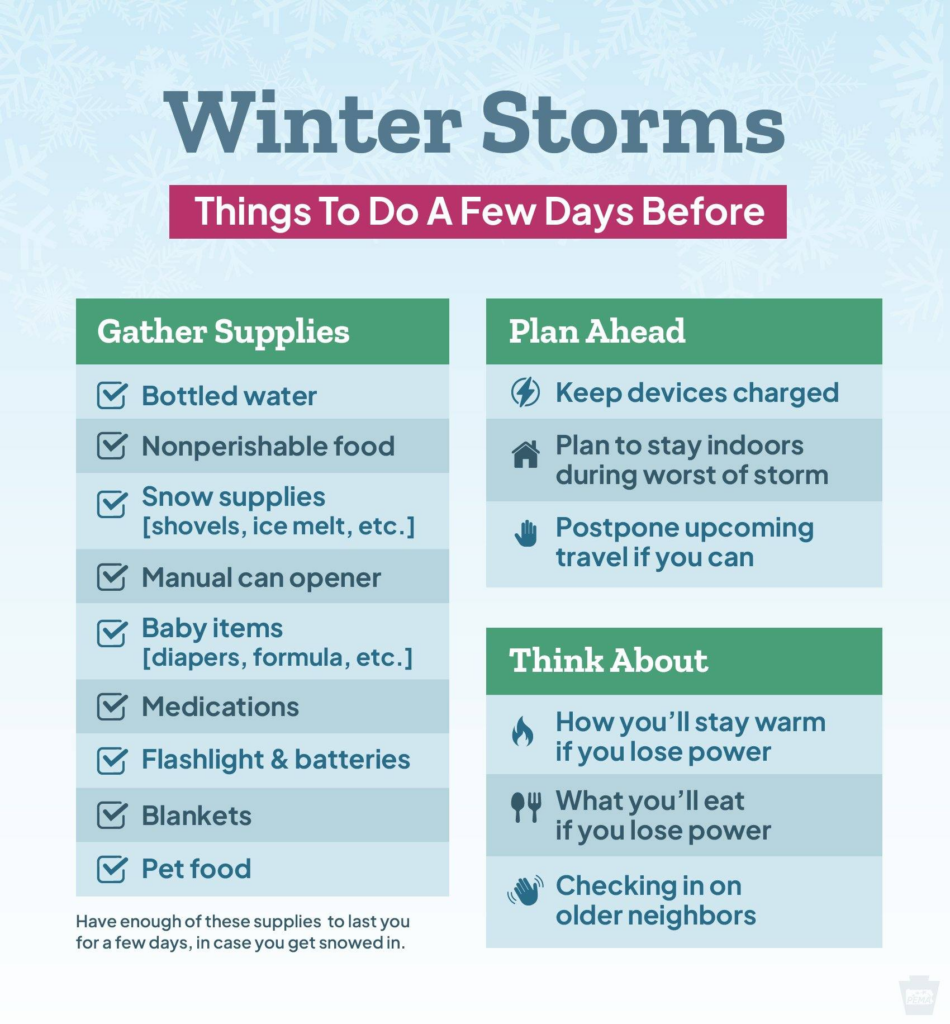
The PEMA Director recommends Pennsylvanians should be planning for the snowstorm now because they could potentially find themselves snowed in, depending on how much snow falls in their community and the conditions around where they live.
PEMA Recommends the Following:
- Gather Supplies:
- Bottled water
- Nonperishable food
- Snow supplies (shovels, ice melt, etc.)
- Manual can opener
- Baby items (diapers, formula, etc.)
- Medications
- Flashlight & batteries
- Blankets
- Pet food
- Plan Ahead:
- Keep devices charged.
- Plan to stay indoors during the worst of the storm.
- Postpone upcoming travel if you can.
- Things to think about:
- How you’ll stay warm if you lose power.
- What you’ll eat if you lose power.
- Checking in on older neighbors.
=====================================================================================================
==================================================================================
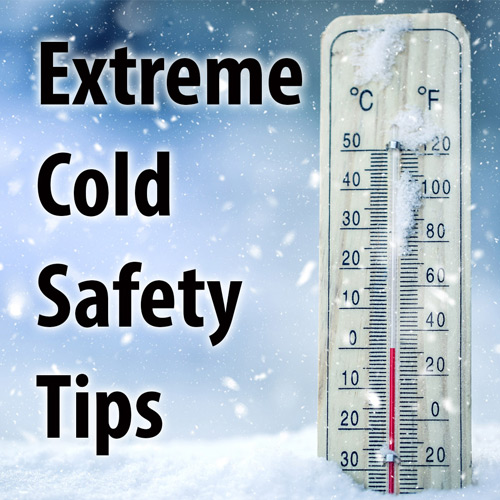
As low temperatures reach into single digits and substantial snowfall amounts are being forecast for this weekend, I strongly encourage electric utility customers to be prepared and stay safe.
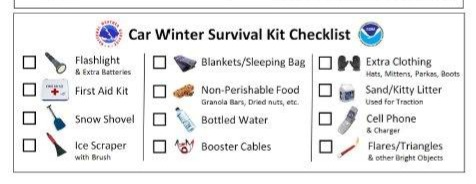
• Put together an emergency kit and stash it in one spot (airtight container is smart): non-perishable food (don’t forget a manual can opener), bottled water, medications, first-aid items, pet supplies, battery-powered flashlights, extra batteries, and candles (although flashlights are safer).
• Sign up for alerts from your electric company.
• If you need a warm place to go: Dial 211 (free, 24/7) for local warming shelters, crisis help or even rides to those locations.
Staying Warm Without Starting a Fire (or Worse):
• Space heaters: Only use when you are actually in the room. Never plug into extension cords/power strips, never leave unattended, and definitely do not sleep with them on. Keep them level, at least 3 feet from anything flammable (furniture, curtains, walls, bedding, walkways).
• Electric blankets/heating pads: Inspect for damage first and never leave on unattended or while sleeping.
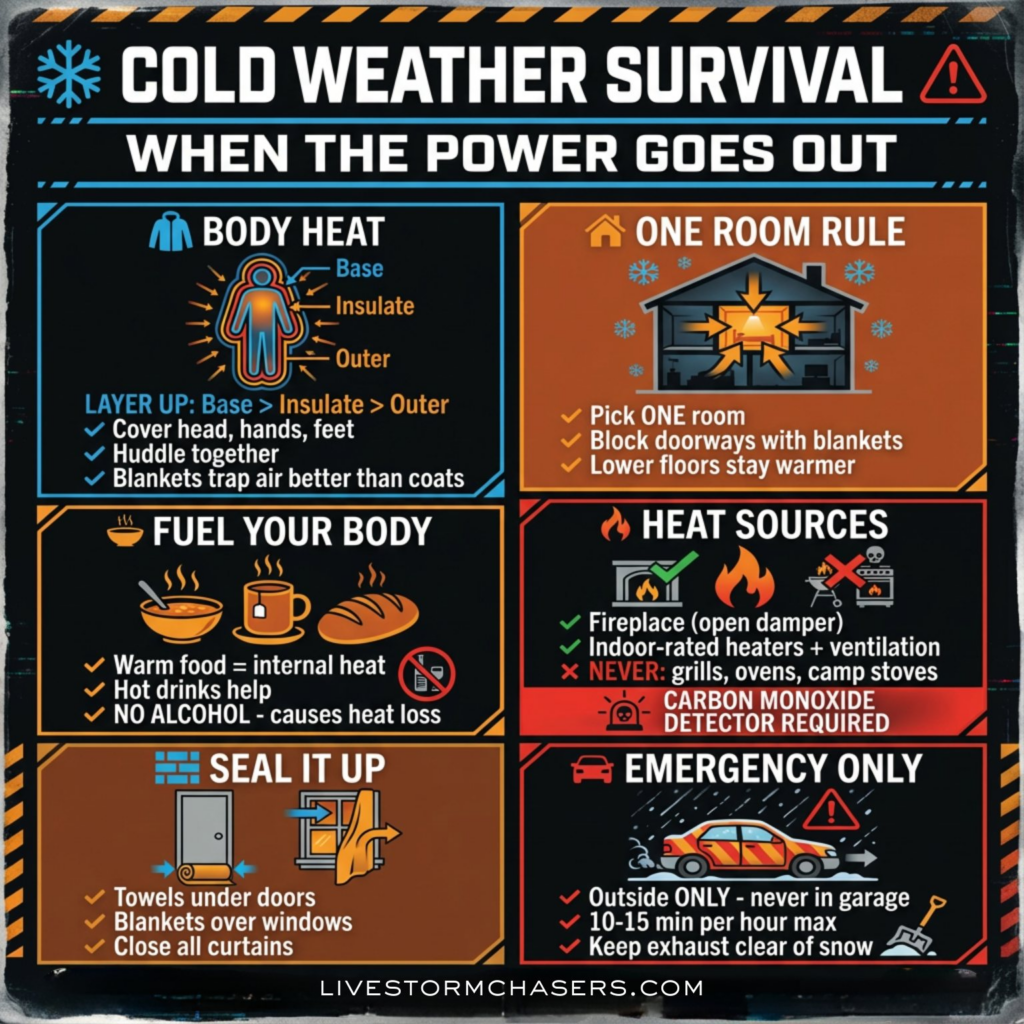
• Generators: Follow the manual exactly. Use the right fuel, only refill when cool, and never run indoors, in garages, or near windows/vents—carbon monoxide is silent and deadly. Make sure your home has working battery-powered CO detectors.
If the Power Goes Out:
• Use flashlights (safer than candles).
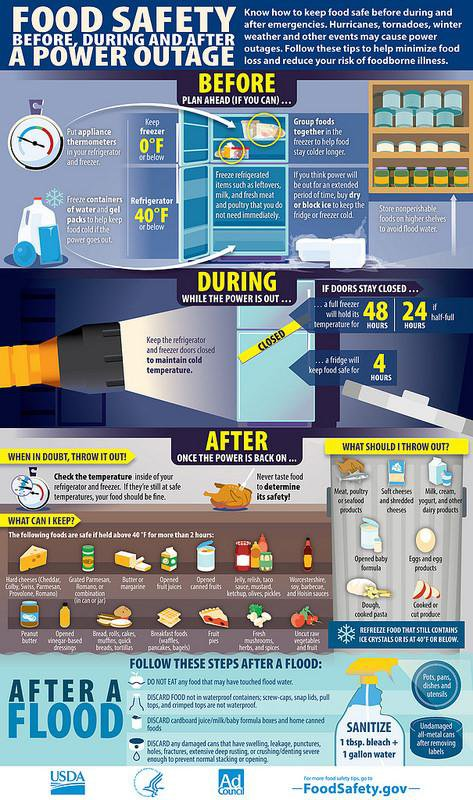
• Keep fridge/freezer doors closed as much as possible to hold the cold in.
• Never use your gas oven/range or grill indoors to heat the house (CO poisoning danger).
• Unplug sensitive electronics and turn off any heaters/ovens that were running when power cut.
• Call 911 if the situation escalates into an emergency.
Save Energy (and Money) While Keeping Warm:
• Seal drafts: Cover windows, stuff towels/blankets under exterior doors, add caulk or weather stripping around leaks.
• Do not block vents, registers, or radiators with rugs, furniture, or drapes to allow for heat flow.
• Layer up with blankets and clothing instead of turning up the thermostat. Every degree lower can save ~1% on heating bills (per the Pennsylvania Department of Energy).
• Keep fireplace damper closed unless a fire is burning, as warm air just escapes up the chimney.
• Let sunlight in during the day (open curtains), then close them at night to trap heat.
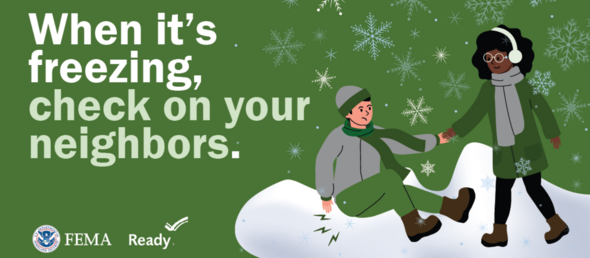
Finally, bundle up, check on neighbors, pets, and the elderly, and stay safe!
=======================================================================================
The latest edition of Ready PA from PEMA is available here. In this issue:
**January Social Media Toolkit
**New Year Preparedness Checkup
**Ready Set Check Your Preparedness
**Stay Informed and Connected
**January Tip Sheet: Ready, Set, Check Card
====================================================================================
++++++++++++++++++++++++++++++++++++++++++++++++++++++++++++++++++++++++++++++++
Ready Kids
Disasters happen everywhere, and every member of the family can prepare. Preparedness for the future starts today.
Whether you’re a kid or teen yourself, a parent or loved one, or work with youth, Ready Kids has tools and information to help before, during and after disasters.
FEMA, in collaboration with the American Red Cross, is excited to announce an expansion of the Prepare with Pedro suite of activities. In these storybooks, Pedro the Penguin goes on adventures and learns what to do before, during and after each emergency. The storybooks are available in English and Spanish and can be ordered from the FEMA Warehouse or downloaded from the Prepare with Pedro website on Ready.gov. The Wildfire storybook is available online and will be ready to order from the warehouse soon. These storybooks join other fun Pedro products, like the Prepare with Pedro Activity Book and the Adventure in Emergency Preparedness matching game. Additional storybooks will be released later this year. Be sure to check the Prepare with Pedro website for new updates and releases.
=======================================================================================
Preparedness starts with knowledge, and there’s no better time to start building that knowledge than with our youth. FEMA Region 9 is excited to launch our Youth Preparedness Toolkit, a resource designed to engage young people across elementary, junior high and high school levels in understanding and practicing emergency readiness.
Our Toolkit uses a Learn-Practice-Share model that connects age-appropriate activities with FEMA Region 9’s most significant hazards—like earthquakes, wildfires and floods—and empowers young people to take meaningful preparedness actions. Whether through games, community projects or leadership roles, each activity encourages youth to develop safety skills, think creatively and gain confidence in their ability to respond to emergencies.
Activities by Age Group:
- Elementary Students can dive into fun, hands-on projects like creating personalized emergency kits with the Prepare with Pedro and Rocket’s Emergency Preparedness programs, introducing them to safety basics.
- Junior High Students take a step further, engaging in community-focused activities such as Teen CERT, creating Family Communication Plans and even preparing emergency kits for pets.
- High School Students are encouraged to take on leadership through the Youth Preparedness Council, leading social media campaigns and organizing school-based preparedness clubs.
- For youth leaders, our Resource Hub offers a range of tools on school safety, inclusion, and emergency planning, making it easier to lead preparedness initiatives and foster a community of safety-conscious youth.
Our Toolkit isn’t just about responding to disasters; it’s about building resilience and inspiring young leaders to take safety into their own hands. Ready to get started? Visit our website to explore the toolkit and bring preparedness to life in your community by visiting, FEMA.gov.
Resolve to be Ready
Build a Kit
After an emergency, you may need to survive on your own for several days. Being prepared means having your own food, water and other supplies to last for several days. A disaster supplies kit is a collection of basic items your household may need in the event of an emergency.
Make sure your emergency kit is stocked with the items on the checklist below. Download a printable version to take with you to the store. Once you take a look at the basic items consider what unique needs your family might have, such as supplies for pets or seniors.
- Water (one gallon per person per day for several days, for drinking and sanitation)
- Food (at least a several-day supply of non-perishable food)
- Battery-powered or hand crank radio and a NOAA Weather Radio with tone alert
- Flashlight
- First aid kit
- Extra batteries
- Whistle (to signal for help)
- Dust mask (to help filter contaminated air)
- Plastic sheeting, scissors and duct tape (to shelter in place)
- Moist towelettes, garbage bags and plastic ties (for personal sanitation)
- Wrench or pliers (to turn off utilities)
- Manual can opener (for food)
- Local maps
- Cell phone with chargers and a backup battery
- Create an Emergency Financial First Aid Kit (EFFAK)
- Obtain property (homeowners or renters), health and life insurance if you do not have them already. Review your insurance policies to make you’re covered for hazards in your area. Most homeowners’ insurance does not include flood insurance, so you may need to purchase flood insurance from the National Flood Insurance Program.
- Save. Save. Save. Your emergency savings can help you get life saving items like food, shelter, and water in an emergency.
- Preparing your family for an emergency is as simple as having a conversation over dinner. Make a plan tonight.
- Make an emergency supply kit.
- Create a family emergency communication plan.
- Update your pet’s microchip registration info so you can be contacted if your pet gets lost in a disaster.
- Put your name and contact information on your pet’s ID tag in case you’re separated in an emergency.
- Remember to include your pets in your family’s emergency plans and have items for them in your emergency supply kits.
Why Canned Foods Are Essential:
- Long shelf life and no refrigeration needed.
- Packed with protein, vegetables, and fruits.
- Easy to store and prepare during emergencies.
Stock up on canned foods that you and your loved ones like, make sure to include protein, vegetables, fruits, soups, and if you have pets consider getting canned dog or cat food. Be mindful of food allergies that individuals in your household may have. Store your emergency kit in a cool, dry place, and be sure to rotate items as they expire. Don’t forget to add a manual can opener to your emergency kit!
To learn more about being prepared visit, Ready.gov.
Prepare for Storms
No matter where you live, thunderstorms can also be a threat. Lightning injures 243 people and kills about 20 people on average each year in the United States (see Weather.gov for more information). Heavy rain from thunderstorms can lead to flash floods and power outages. In addition, tornadoes can form during some thunderstorms.
Here are some tips to prepare for storms:
For all storms
Download the free FEMA app to receive real-time alerts from the National Weather Service and to stay informed about watches and warnings. You can also sign up to receive Emergency Alerts in your area.
Make an emergency plan. Be sure to have extra water and nonperishable foods at home. Get started by having enough supplies for your household, including medication, disinfectants and pet supplies. Make sure you consider your family’s unique needs, including anyone who needs medicine or medical equipment.
Click on this link for resources from FEMA – https://www.ready.gov/hurricanes.
Thunderstorms
Be prepared for thunderstorm, lightning and hail by planning to move inside a sturdy building or a metal vehicle with a roof. Remember the saying, “When thunder roars, go indoors.” Moving under a tree to stay dry is especially dangerous because lightning often strikes the tallest object in its path.
There is no safe space outdoors. If you are caught outside with no safe shelter anywhere nearby the following actions may reduce your risk:
Immediately get off elevated areas such as hills, mountain ridges or peaks.
Never lie flat on the ground.
Never shelter under an isolated tree.
Never use a cliff or rocky overhang for shelter.
Immediately get out and away from ponds, lakes and other bodies of water.
Stay away from objects that conduct electricity (barbed wire fences, power lines, windmills, etc.). Unplug appliances and plan to avoid running water or using landline phones. Electricity from lightning can travel through plumbing and phone lines. Stay off corded phones, computers and other electrical equipment that put you in direct contact with electricity. Avoid plumbing, including sinks, baths and faucets.
Stay away from windows and doors, and stay off porches. Do not lie on concrete floors, and do not lean against concrete walls.
Tornadoes
Be prepared for a tornado by understanding that they can happen anytime, anywhere so it’s important to know where to stay safe. If a tornado warning is issued for your area, immediately find a place such as a basement or storm cellar where you can safely shelter in place. If you can’t find a basement or storm cellar, locate a small, interior room on the lowest level where you are, and shelter there until it is safe to come out of your shelter location.
If you are outside and can’t get to a sturdy building, do not shelter under an overpass or bridge. You’re safer in a low, flat location.
Use your arms to protect your head and neck. Watch out for flying debris that can cause injury or death.
Earthquakes: Be ready to DROP, COVER and HOLD ON if you encounter an earthquake. Visit Earthquakes | Ready.gov to learn more about how to stay safe before, during and after an earthquake.
Medication Safety
by Alyson Breisch, United Church of Christ Southern Conference Minister for Health and Wellness
Many people believe that prescription painkilling medications are safer than illegal drugs because a doctor prescribes them. However, when they are not used as directed, these medicines can be as dangerous as illegal drugs. Deaths from unintentional overdose have been related to prescription drugs, mainly painkillers. The three most commonly misused classes of medications are opioids, central nervous system depressants, and stimulants. National Family Partnership®, a national leader in drug prevention education & advocacy, is the organization behind the Lock Your Meds campaign. Their medication chart lists specific medication names, their effects, and their street names.
44.6% of the people who mis-use prescription medications get them from friends and family members. Keep your medications secure in a locking storage box or other locking structure. Keep combinations secret, and store keys in an equally safe place. Remember, hiding your medication is NOT a secure solution. Another safety step is to regularly keep track of your medication supply. This sample home medicine inventory card can help you keep track of your medications.
When medications are expired, unwanted, or unused, it is important to dispose of them properly to avoid harm to others. Excess medications can be accidentally ingested by your children and pets, stolen and abused to get high, or they can enter water systems if improperly flushed down the toilet. Disposal of unwanted medication is critical in addressing and preventing opioid abuse. The best way to dispose of prescription medications is through a permanent medication drop box located in or near your community. The National Association of Boards of Pharmacy (NABP) offers a Drug Disposal Locator Tool to find permanent drug disposal boxes in your area. Their webpage also offers safe tips on disposing medications at home and a link to the FDA’s flush list for more information if there are not take-back options available in your area. When discarding empty medication containers from your home, be sure to remove all personal information from empty medicine containers before disposing of them. If you cannot remove the label with the Rx number and your name and address, try scratching it off or concealing it with permanent marker or duct tape.
In summary, take action steps to prevent prescription drug misuse or abuse. Properly secure and monitor your meds. Take regular inventory of your medications to make sure nothing is missing. Teach young people in your life about the dangers of taking medications that were not prescribed to them. Safely dispose of all unused or expired medications.
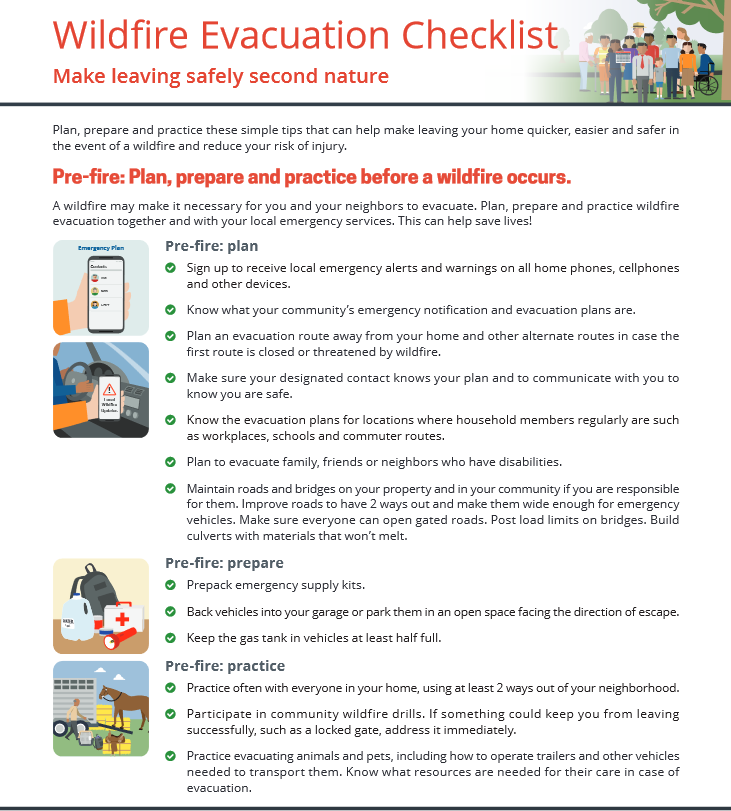
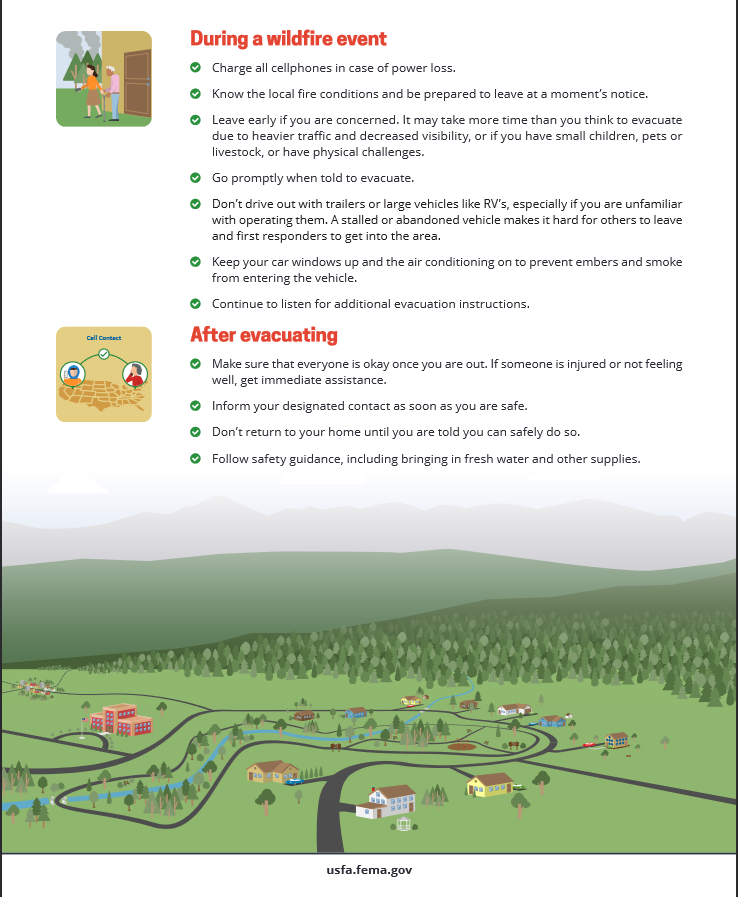
Prepare Pets for Travel
- Leave the carrier out in places your pet frequently visits
- Leave the carrier open
- Feed them treats near the carrier – you can even try putting a few treats inside the carrier
- Add a favorite blanket or small bed inside the carrier so it smells familiar
- Make note of where your pets hide, so you can easily find them in case you have to leave your house quickly.